Hydroponics can look simple from the outside: water, nutrients, and plants—no soil needed. But anyone who has actually run a Cultivation System knows the truth: hydroponics is a precision environment. The biggest advantage of hydroponics is control, yet the most common failures come from not controlling the basics consistently. Many growers invest in a strong rack system, good channels, or a nice reservoir—but then lose weeks of growth because pH drifts, oxygen is too low, or lighting isn’t matched to plant demand. The result is slow growth, nutrient lockout symptoms, algae problems, root stress, or inconsistent yields.
At Prasadaa, we support growers and operators who want hydroponics to be predictable and scalable—from small farms to commercial cultivation systems. In our experience, most hydroponic setbacks come from a few repeatable mistakes. In this article, we’ll focus on three common mistakes people make when growing hydroponically, explain why they happen, how to recognize them early, and what to do differently so your cultivation system produces stable results.
Mistake 1: Treating pH and EC as “set once and forget”
If hydroponics had one rule, it would be this: your nutrient solution is your soil. If the solution drifts, the plant’s root environment changes immediately.
What goes wrong
Many growers check pH and EC (electrical conductivity) once in a while, adjust quickly, then assume it will stay stable. But in hydroponics, pH and EC can shift daily because:
plants selectively absorb nutrients
water evaporates, increasing concentration
top-ups dilute or change ratios
temperature changes affect uptake
microbial activity alters solution chemistry
When pH drifts outside the suitable range for your crop, nutrient uptake efficiency drops. Even if nutrients are present, plants may show deficiency symptoms because they cannot access them properly.
Early warning signs
leaves showing pale color or patchy yellowing
tip burn despite “normal” feeding
slow growth with no obvious pest issue
inconsistent results between channels or towers
sudden changes after reservoir top-up
What to do instead
Measure on a schedule
For small systems: daily pH check and frequent EC check.
For commercial systems: scheduled monitoring plus consistent recordkeeping.
Adjust gradually, not aggressively
Large swings can shock plants. Small, controlled corrections are safer.
Standardize your top-up method
Add water and nutrients in a planned way so you don’t constantly “chase numbers.”
Keep a simple log
Tracking pH/EC trends helps you predict problems before plants show stress.
Practical takeaway: In hydroponics, stable pH and EC management is not “extra work.” It is the foundation of consistent yield.
Mistake 2: Underestimating Oxygen and Root-Zone Health (Expanded)
In soil, roots “breathe” through tiny air pockets between particles. Even when soil looks wet, those air gaps still provide oxygen for root respiration. In hydroponics, the situation is completely different: roots sit in a water-based environment, and oxygen is only available if your cultivation system actively provides it through circulation, aeration, and temperature control. That’s why one of the most common hydroponic mistakes is assuming, “Roots are in water, so they’re fine.” In reality, poor oxygenation is one of the fastest ways to trigger root stress, nutrient uptake problems, and disease pressure.
What goes wrong
Low oxygen conditions usually happen when:
Water temperature is too high
Warm water holds less dissolved oxygen, so roots effectively “run out of air” faster. Heat also increases microbial activity, which can further consume oxygen in the reservoir.
Circulation is weak or inconsistent
If flow is uneven, some zones become stagnant. These low-flow zones often develop warmer pockets, lower oxygen levels, and more biofilm buildup—creating the perfect environment for root stress.
Reservoirs are not aerated properly
If aeration is insufficient, oxygen levels drop as plants grow larger. What worked in the first two weeks may fail by week four because root mass and nutrient demand increase.
Root mass becomes dense and restricts flow
As plants mature, roots can form thick “mats” that block channels and reduce water movement. This reduces oxygen exchange and creates dead spots where roots sit in poorly refreshed solution.
Channels hold stagnant zones
Certain designs, slopes, or clogged returns can create slow corners where water lingers. These zones typically show the first signs of root discoloration or slime.
Biofilm buildup reduces flow and oxygen exchange
Biofilm acts like a coating that traps debris and microorganisms, slowing circulation and reducing oxygen transfer. Over time, it becomes a major driver of root health decline.
When oxygen is low, roots cannot perform efficiently. The plant’s uptake slows, stress hormones increase, and the root zone becomes more vulnerable to pathogens. A grower may respond by adding more nutrients, but the real issue is not “lack of nutrients”—it’s that the roots can’t process them correctly under low-oxygen conditions.
Early warning signs
Watch for these indicators before the problem becomes severe:
roots turning brown, slimy, or sticky
an unpleasant smell from the reservoir
plants wilting even when water is present
growth slowing after a strong early stage
sudden decline after temperature increases or hot days
leaves showing stress patterns that don’t match nutrient charts
These symptoms often appear quickly, especially in warm conditions or high-density systems.
What to do instead
Keep circulation consistent
Uniform flow reduces stagnant zones. If any channel or section has weaker movement, roots will suffer there first. Even distribution is often more important than maximum flow.
Control water temperature
Because warm water holds less oxygen, temperature stability is a major advantage. Keeping water in a crop-appropriate range improves oxygen availability and reduces microbial risk.
Maintain cleanliness
Biofilm and organic buildup reduce oxygen transfer and increase pathogen pressure. Clean reservoirs, channels, and return lines on a regular schedule before buildup becomes visible.
Design for root volume
Many growers underestimate how quickly root systems expand. A good cultivation system provides enough channel space, return capacity, and flow strength to handle mature root mass—not just early-stage seedlings.
Practical takeaway: Healthy roots are the engine of hydroponics. If oxygen and cleanliness are not controlled, the rest of the system becomes unstable—no matter how good the nutrients or lighting are.
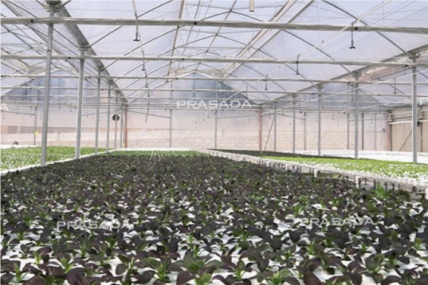
Mistake 3: Using light “that looks bright” instead of light that plants can use
Light is one of the most misunderstood factors in hydroponics—especially for indoor vertical farming. Many growers choose lighting based on what looks bright to human eyes, but plant growth depends on usable light intensity and spectrum.
What goes wrong
Common light mistakes include:
placing lights too far from the canopy
using insufficient intensity for fruiting crops
not adjusting as plants grow taller
uneven coverage across shelves or channels
ignoring photoperiod consistency
using low-quality fixtures with unstable output
In hydroponics, plants often grow faster than in soil, which means lighting needs can increase quickly. If lighting is too weak, plants stretch, stems become thin, and yield potential drops.
Early warning signs
stretched plants with long internodes
pale leaf color despite normal nutrients
uneven growth across the same shelf
slow leaf expansion and weak canopy
poor flowering or fruit set for fruit crops
What to do instead
Match lighting to crop type
Leafy greens need less intensity than fruiting plants. Herbs, leafy crops, and strawberries all have different needs.
Ensure uniform coverage
Uneven lighting creates uneven harvest. Measure and adjust layout so every channel receives similar light.
Adjust distance as plants grow
A fixed light position may work in week one but fail in week four.
Control photoperiod
Plants respond strongly to consistent day length. Random schedule changes reduce performance.
Practical takeaway: In indoor hydroponics, lighting is not decoration—it is production capacity.
Table: 3 common hydroponic mistakes and fast fixes
Common mistake | What it causes | Quick improvement action |
pH/EC “set and forget” | nutrient lockout, slow growth | daily monitoring, stable top-up routine |
low oxygen and poor root care | root stress, disease risk | better circulation, temp control, cleaning |
wrong lighting strategy | stretching, weak yields | correct intensity, even coverage, stable schedule |
Conclusion
So, what are three common mistakes people make when growing hydroponically? The most frequent issues are: treating pH/EC as “set and forget,” underestimating oxygen and root-zone health, and using lighting that looks bright rather than lighting plants can actually use. Fixing these three areas creates a strong foundation for healthier growth, faster development, and more predictable harvest results in any hydroponic cultivation system.
To learn more about cultivation system design and practical hydroponic growing solutions, visit www.prasadaa.com for more information. We’re always happy to help growers build systems that are easier to manage and more consistent in production.
FAQ
1) What is the most common hydroponic mistake for beginners?
Ignoring pH and EC monitoring is one of the most common mistakes because nutrient uptake depends on solution stability.
2) Why do hydroponic roots turn brown?
Brown roots often result from low oxygen, high water temperature, or biofilm/pathogen issues. Better circulation and cleaning usually help.
3) Do hydroponic plants need stronger light than soil plants?
Not always, but indoor hydroponics depends entirely on artificial light, so correct intensity and coverage are critical for strong growth.
4) How often should I check my hydroponic nutrient solution?
Many growers check pH daily and EC regularly, especially in smaller systems where changes happen faster.


