A cultivation system refers to a collection of methods and technologies used to grow plants under controlled environmental conditions, with the aim of optimizing growth factors like water, nutrients, light, and temperature. These systems are crucial in modern agriculture, especially in areas where land or water resources are limited, or in urban settings where traditional farming isn't viable. Cultivation systems can range from soil-based to hydroponic, aquaponic, and aeroponic methods, each providing unique benefits that align with specific agricultural goals.
In this article, we will explore what cultivation systems are, their types, components, benefits, challenges, and common applications. Additionally, we will offer answers to frequently asked questions that will help you understand how cultivation systems work and how they can contribute to modern agriculture.
What is a Cultivation System?
A cultivation system is a method of growing plants in a controlled environment. These systems are designed to provide the optimal conditions for plant growth by managing factors such as light, temperature, humidity, and nutrients. While traditional agriculture relies heavily on soil, modern cultivation systems often eliminate the need for soil, using alternative methods such as hydroponics, aquaponics, and aeroponics.
Key Components of a Cultivation System
The primary components of a cultivation system include:
Water: In soil-less systems, water serves as the medium through which plants absorb nutrients.
Nutrients: A nutrient solution provides essential minerals and chemicals that plants need for growth, often dissolved in water.
Light: Light is essential for photosynthesis, and artificial lighting may be used in indoor cultivation to ensure plants receive adequate light.
Temperature and Humidity: Climate control is vital for maintaining plant health. Specific temperature and humidity ranges support different plant types.
Growing Medium: In hydroponic or aeroponic systems, an inert growing medium like perlite, rock wool, or coconut coir is used to provide support to the plants' root systems.
The controlled environment in these systems enables year-round growing, optimized plant health, and reduced reliance on external environmental factors like weather.
Types of Cultivation Systems
There are several types of cultivation systems, each designed to meet specific agricultural needs. Below, we explore the most common types: soil-based cultivation, hydroponics, aquaponics, and aeroponics.
Soil-Based Cultivation Systems
Soil-based cultivation remains the most traditional and widely practiced method of growing plants. In these systems, plants rely on soil to provide support, nutrients, and water. The soil acts as a natural medium for root growth, and nutrients are absorbed from the soil through plant roots.
Advantages of Soil-Based Systems:
Natural Fertility: Soil contains natural nutrients that can be supplemented with organic or chemical fertilizers.
Biodiversity: Soil-based cultivation supports a wide range of plant species, making it suitable for various crops.
Challenges:
Water Waste: Soil farming often requires large quantities of water, which is absorbed by the soil but not always efficiently used by plants.
Pests and Diseases: Soil can harbor pests and pathogens, which may damage crops and reduce yields.
Hydroponic Systems
Hydroponics is a method of growing plants without soil. Instead, plants are grown in a water-based solution that contains essential nutrients. Hydroponics systems can be used for growing a wide range of crops, including leafy greens, herbs, and even fruits like tomatoes and strawberries.
Types of Hydroponic Systems:
Deep Water Culture (DWC): In this system, plant roots are submerged in a nutrient-rich water solution. Oxygen is supplied to the roots through air pumps.
Nutrient Film Technique (NFT): A thin film of nutrient solution flows over the plant roots, ensuring constant access to water and nutrients.
Ebb and Flow (Flood and Drain): This system periodically floods the plant roots with nutrient solution and then drains it, providing access to both nutrients and oxygen.
Wick System: A passive system that uses a wick to draw nutrients from a reservoir into the plant's roots.
Advantages of Hydroponic Systems:
Water Efficiency: Hydroponics uses less water than traditional soil-based farming, as water is recirculated in a closed loop.
Space Efficiency: Since plants are often grown vertically, hydroponic systems can maximize space usage, making them ideal for urban environments.
Faster Growth: Plants can grow more quickly in hydroponic systems due to direct access to water and nutrients.
Challenges:
Technical Expertise: Hydroponic systems require a good understanding of water chemistry, nutrient management, and pH levels.
Initial Setup Costs: While more efficient, hydroponics can require a significant initial investment for equipment and infrastructure.
Aquaponic Systems
Aquaponics is an integrated farming system that combines aquaculture (the cultivation of aquatic organisms like fish) with hydroponics. The waste produced by the fish provides nutrients for the plants, and the plants help filter and purify the water, creating a symbiotic relationship between the two.
Advantages of Aquaponics:
Sustainability: Aquaponics is a sustainable, closed-loop system that recycles water and nutrients.
Less Need for Chemical Fertilizers: The waste produced by fish provides natural nutrients for the plants, reducing the need for chemical fertilizers.
Diverse Production: Aquaponics systems can be used to grow both fish and plants, providing multiple sources of food.
Challenges:
Complexity: Aquaponics systems require expertise in both fish farming and hydroponic plant cultivation.
Balance Maintenance: Maintaining the right balance of fish and plant health can be challenging, especially in a small-scale system.
Aeroponic Systems
Aeroponics is a system where plant roots are suspended in the air and misted with a nutrient solution. This method provides plants with high levels of oxygen, which accelerates growth and improves nutrient uptake.
Advantages of Aeroponics:
Faster Growth: The high oxygen levels available to the plant roots lead to faster plant growth.
Water and Space Efficiency: Aeroponics uses less water compared to soil-based systems and allows for more efficient use of space.
No Soil-Borne Diseases: Because aeroponics eliminates soil, there is less risk of pests and diseases.
Challenges:
System Maintenance: Aeroponic systems require regular monitoring and maintenance to ensure proper misting and water delivery.
High Energy Demand: This system can require significant energy for pumps and misting systems.
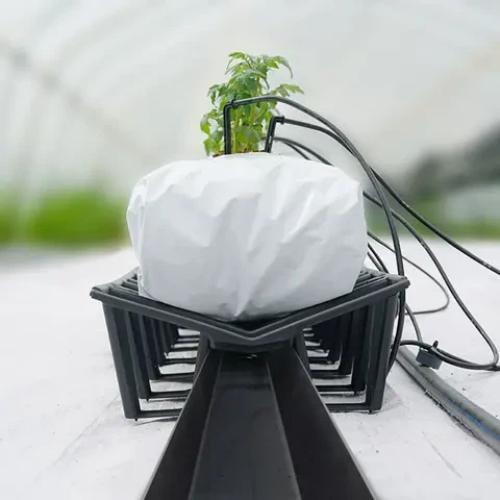
Components of a Cultivation System
To effectively manage and optimize plant growth, several components are essential in a cultivation system. These include water, nutrients, light, temperature control, and the growing medium.
Water and Nutrients
Water serves as the foundation of a soil-less cultivation system, providing the medium for nutrients. A carefully balanced nutrient solution is essential for plant health, containing the right levels of nitrogen, phosphorus, potassium, calcium, and other micronutrients.
Lighting
In indoor cultivation, artificial lighting is required to replace natural sunlight. Different types of grow lights (e.g., LED, fluorescent, high-pressure sodium) provide the light spectrum needed for photosynthesis and optimal plant growth.
Temperature and Humidity Control
Maintaining the right temperature and humidity levels is critical for plant health. Climate control systems such as HVAC systems, humidifiers, and dehumidifiers are often used in cultivation systems to regulate these factors.
Growing Medium
In hydroponic and aeroponic systems, an inert growing medium such as perlite, coconut coir, or rock wool supports plant roots and holds them in place. It does not provide nutrients but ensures proper root development and stability.
Benefits of a Cultivation System
The main benefits of cultivation systems are resource efficiency, space optimization, sustainability, and higher yields.
1. Resource Efficiency
Cultivation systems, particularly hydroponics and aquaponics, use significantly less water compared to traditional farming methods. Since water is recirculated in a closed-loop system, there is minimal waste.
2. Space Optimization
Cultivation systems, especially vertical farming and indoor setups, can be used to grow a large number of crops in limited spaces. These systems are ideal for urban farming, rooftop gardens, and other space-constrained environments.
3. Sustainability and Environmental Impact
Cultivation systems are more sustainable because they reduce the need for pesticides, herbicides, and fertilizers. They also offer the potential for year-round crop production, regardless of weather conditions.
4. Higher Yields and Faster Growth
Plants in cultivation systems grow more quickly due to optimized growing conditions, leading to higher yields per unit of space.
Challenges of Cultivation Systems
Despite their many benefits, cultivation systems do come with challenges.
1. Initial Setup and Investment
Cultivation systems, particularly hydroponics and aeroponics, require significant initial investment in infrastructure, equipment, and technology.
2. Technological Expertise
Operating a cultivation system requires specialized knowledge in areas such as water chemistry, climate control, and plant nutrition.
3. System Maintenance
Cultivation systems require regular monitoring and maintenance to ensure optimal plant growth. This includes checking nutrient levels, pH, and water quality.
4. Energy Consumption
Certain systems, especially aeroponics and indoor hydroponics, require substantial energy for pumps, lights, and climate control, which can increase operating costs.
Common Applications of Cultivation Systems
Cultivation systems are used in various sectors of agriculture, from urban farming to large-scale commercial operations.
Application | Cultivation System Type | Benefits |
Urban Agriculture | Hydroponics, Aeroponics, Vertical Farming | Efficient use of space, local food production |
Commercial Farming | Hydroponics, Aquaponics, Aeroponics | High yields, year-round production |
Research and Development | Hydroponics, Aquaponics | Scientific research, crop breeding |
Educational Institutions | Hydroponics, Vertical Farming | Teaching sustainable agriculture practices |
Conclusion
Cultivation systems represent a groundbreaking solution to the challenges faced by traditional farming methods. By optimizing growth conditions, conserving resources, and significantly increasing yields, these systems pave the way for more sustainable agricultural practices. As technology evolves, the potential for cultivation systems to transform food production becomes even greater.
At Prasada Agricultural, we specialize in providing innovative and efficient cultivation solutions designed to meet the unique needs of modern farming. Whether you're looking to improve water efficiency, maximize space, or increase crop yields, our team is dedicated to helping you achieve your agricultural goals with cutting-edge technology.
We invite you to contact us to learn more about our customized cultivation systems, and explore how we can help you elevate your farming practices. Let us support you in embracing a sustainable and productive future for your agricultural endeavors.
FAQ
What is the difference between hydroponics and traditional farming?
Hydroponics eliminates soil and uses a nutrient-rich water solution to grow plants, while traditional farming relies on soil for nutrients.
Can cultivation systems be used indoors?
Yes, systems like hydroponics, aeroponics, and vertical farming are specifically designed for indoor use.
How much water do cultivation systems use?
Cultivation systems, particularly hydroponics, use significantly less water compared to traditional farming, as water is recycled.
What types of crops can be grown in a cultivation system?
A wide variety of crops, including leafy greens, herbs, fruits, and vegetables, can be grown in cultivation systems.
Are cultivation systems environmentally friendly?
Yes, these systems reduce pesticide use, conserve water, and minimize the need for chemical fertilizers, making them environmentally sustainable.


