Modern agriculture is evolving rapidly as growers look for ways to produce food more efficiently while using fewer natural resources. Among the most promising solutions is hydroponic farming, a method that allows plants to grow without soil by delivering nutrients directly through water. At the heart of this approach lies the Cultivation System, a carefully designed structure that provides plants with everything they need to grow in a controlled environment.
From commercial greenhouses to indoor vertical farms, hydroponic cultivation systems are transforming how crops are produced around the world. By replacing traditional soil-based farming with precisely managed water, nutrients, and environmental conditions, growers can achieve higher yields, faster growth cycles, and better crop consistency. However, successful hydroponic farming does not happen automatically. It requires a well-planned cultivation system that integrates several key components working together. Understanding the seven essential requirements of a hydroponic system can help farmers, greenhouse operators, and agricultural entrepreneurs build reliable growing environments that maximize productivity and plant health.
Understanding the Role of a Hydroponic Cultivation System
Before exploring the specific requirements, it is important to understand what a cultivation system does in hydroponics. Unlike soil-based agriculture, where plants obtain nutrients from the ground, hydroponic systems rely on controlled delivery of water, nutrients, and oxygen to plant roots.
A cultivation system acts as the foundation for this process. It supports plant growth while regulating environmental conditions that influence development. This includes water circulation, nutrient balance, lighting conditions, and structural support for the plants themselves.
When designed properly, a hydroponic cultivation system allows growers to maintain consistent conditions throughout the growing cycle. This consistency reduces crop loss and improves overall efficiency.
Requirement 1: A Reliable Water Supply System
The importance of water circulation
Water serves as the primary medium in hydroponic cultivation, replacing soil as the environment where plant roots develop. Instead of extracting nutrients from the ground, roots are continuously supplied with a nutrient-rich solution that carries essential minerals directly to the plant. Because of this, water movement becomes one of the most important elements of a hydroponic system. A reliable water circulation system ensures that nutrients remain evenly distributed and that every plant receives the same level of nourishment.
Continuous circulation also prevents the nutrient solution from becoming stagnant. Stagnant water can lead to uneven nutrient distribution, oxygen depletion, and the growth of harmful microorganisms. To avoid these issues, hydroponic systems typically use pumps, reservoirs, and distribution channels to keep water moving steadily throughout the system.
Maintaining water quality
Water quality plays a critical role in plant health and productivity. Impurities, excessive mineral salts, or chemical contaminants can interfere with nutrient absorption and damage plant roots. For this reason, many growers use filtration systems, regular pH monitoring, and nutrient testing to maintain water quality. Clean and balanced water conditions support stable plant growth, reduce the risk of root diseases, and ensure that the cultivation system operates efficiently over time.
Requirement 2: Balanced Nutrient Management
Essential nutrients for plant growth
In hydroponic systems, plants depend entirely on nutrient solutions for their mineral intake. These solutions contain essential elements such as nitrogen, phosphorus, potassium, calcium, magnesium, and trace minerals.
Proper nutrient balance allows plants to develop strong roots, healthy leaves, and productive fruit or flowers.
Monitoring nutrient concentration
Nutrient concentration must be carefully controlled. Too little nutrition can slow plant growth, while excessive concentrations may damage roots.
Many hydroponic growers monitor nutrient levels using electrical conductivity measurements to maintain consistent nutrient delivery.
Requirement 3: Effective Root Support Structures
Providing stability without soil
Without soil, plants require an alternative structure to hold them in place. Hydroponic cultivation systems often use growing channels, net pots, or support trays to stabilize plants.
These structures allow roots to grow freely while ensuring that plants remain upright during development.
Common support materials
Materials such as rockwool, coconut fiber, and clay pellets are commonly used as root support media. These materials help retain moisture while allowing oxygen to reach plant roots.
Proper support structures are essential for maintaining plant stability throughout the growth cycle.
Requirement 4: Adequate Oxygen for Root Health
Why oxygen is critical in hydroponics
Plant roots require oxygen for respiration. In soil-based agriculture, oxygen naturally enters through air pockets in the soil. In hydroponics, however, oxygen must be actively maintained in the nutrient solution.
Without sufficient oxygen, plant roots may suffocate and become susceptible to disease.
Methods for oxygenation
Hydroponic systems often use air pumps, diffusers, or water circulation to introduce oxygen into the nutrient solution.
Proper aeration ensures that plant roots remain healthy and capable of absorbing nutrients efficiently.
Requirement 5: Proper Lighting Conditions
The role of light in plant development
Light is one of the most important factors influencing plant growth. In hydroponic environments, growers often rely on artificial lighting to supplement or replace natural sunlight.
Different crops require different light intensities and durations to thrive.
LED lighting in modern hydroponics
Energy-efficient LED grow lights have become increasingly popular in hydroponic cultivation systems. These lights allow growers to control light spectrum and intensity according to plant needs.
By optimizing lighting conditions, growers can accelerate plant growth and improve crop yields.
Requirement 6: Temperature and Climate Control
Maintaining stable growing conditions
Temperature affects nearly every aspect of plant growth, including nutrient absorption, metabolism, and flowering.
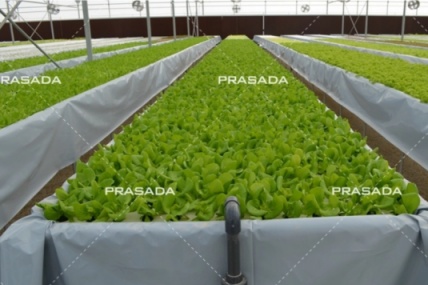
Hydroponic cultivation systems often operate inside greenhouses or controlled indoor environments where temperature and humidity can be carefully regulated.
Preventing environmental stress
Sudden temperature fluctuations can stress plants and reduce productivity. Climate control systems help maintain stable conditions that promote consistent growth.
Ventilation, cooling systems, and humidity regulation are commonly used to achieve these stable environments.
Requirement 7: Efficient System Monitoring and Automation
The importance of monitoring
Hydroponic systems involve multiple variables that influence plant growth. Monitoring tools allow growers to track conditions such as pH, nutrient concentration, temperature, and water levels.
Regular monitoring helps detect potential issues before they affect crop health.
Automation in modern cultivation systems
Many modern hydroponic farms incorporate automated control systems. Sensors and software platforms can adjust water flow, nutrient delivery, and lighting automatically.
Automation reduces labor requirements and ensures that plants receive optimal conditions throughout the day.
Key Components of a Hydroponic Cultivation System
Component | Function | Importance |
Water Reservoir | Stores nutrient solution | Ensures continuous supply |
Nutrient Delivery System | Provides essential minerals | Supports plant growth |
Root Support Structure | Holds plants in place | Maintains plant stability |
Aeration System | Supplies oxygen to roots | Prevents root suffocation |
Lighting System | Provides energy for photosynthesis | Drives plant development |
Climate Control | Regulates temperature and humidity | Maintains optimal environment |
Monitoring Sensors | Tracks system conditions | Prevents operational issues |
This table highlights how each component contributes to the effectiveness of a hydroponic cultivation system.
Advantages of a Well-Designed Cultivation System
A properly designed hydroponic cultivation system offers several important advantages for growers.
First, it allows plants to grow faster because nutrients are delivered directly to the roots. Second, water usage is significantly reduced compared with traditional farming methods because hydroponic systems recycle water.
Another benefit is improved space efficiency. Vertical hydroponic systems can produce large quantities of crops within limited areas, making them ideal for urban agriculture and indoor farming.
In addition, controlled environments reduce exposure to pests and diseases, which can lower the need for chemical pesticides.
Conclusion
Hydroponic agriculture represents a powerful solution for modern food production, but success depends on designing a system that supports every stage of plant growth. The seven key requirements of a hydroponic system—reliable water supply, balanced nutrients, root support structures, oxygenation, proper lighting, climate control, and effective monitoring—work together to create an environment where plants can thrive.
A carefully engineered Cultivation System enables growers to maximize yields while maintaining consistency and efficiency. As hydroponic farming continues to expand worldwide, well-designed cultivation systems will play an increasingly important role in sustainable agriculture.
At www.prasadaa.com, we focus on supporting growers with innovative cultivation technologies and agricultural solutions designed for modern hydroponic farming. Whether you are planning a greenhouse installation or exploring advanced cultivation methods, our team is committed to helping growers achieve reliable and productive results. To learn more about hydroponic solutions and cultivation technologies, we invite you to visit www.prasadaa.com or contact our team for further information.
FAQ
What is the main purpose of a hydroponic cultivation system?
A hydroponic cultivation system provides plants with water, nutrients, oxygen, and structural support without the use of soil, enabling controlled and efficient plant growth.
Why is oxygen important in hydroponic systems?
Plant roots require oxygen to absorb nutrients and maintain healthy metabolism. Proper aeration prevents root suffocation and supports vigorous plant development.
What crops grow best in hydroponic cultivation systems?
Leafy greens, herbs, tomatoes, cucumbers, and strawberries are among the most commonly grown crops in hydroponic systems because they adapt well to controlled environments.
How does automation improve hydroponic cultivation systems?
Automation allows growers to monitor and control environmental factors such as nutrient delivery, lighting, and water circulation, improving efficiency and reducing manual labor.


