Hydroponic systems are rapidly gaining popularity in the modern agricultural industry due to their efficiency and sustainability. Unlike traditional farming methods that rely on soil, hydroponics allows plants to grow in a nutrient-rich water solution, often supported by an inert medium such as gravel or clay pellets. This innovative method offers several advantages, including water efficiency, faster growth, and the ability to grow in limited spaces, making it ideal for urban agriculture and small-scale farming operations.
In this article, we will explore what a hydroponic system is, the different types available, its benefits and challenges, and the most common crops grown using this method. We will also provide an overview of how to set up a basic hydroponic system and answer some frequently asked questions (FAQs) to help you understand the ins and outs of hydroponic farming.
What is a Hydroponic System?
A hydroponic system refers to a method of growing plants without soil, using a water-based solution enriched with essential nutrients that plants require for growth. This system utilizes various technologies to deliver water, air, and nutrients directly to the plants’ roots, allowing them to thrive in an environment that mimics soil conditions but without the limitations of traditional farming.
Key Components of a Hydroponic System
To operate a successful hydroponic system, there are four essential components:
Water: The water serves as the medium in which plants’ roots are submerged. This water must be regularly filtered and nutrient-enriched to support plant health.
Nutrients: A hydroponic solution consists of essential nutrients, including nitrogen, phosphorus, potassium, and other micronutrients that are dissolved in the water.
Light: Hydroponic plants often require artificial lighting (if grown indoors) to mimic the natural sunlight they would receive in the outdoors.
Growing Medium: While hydroponic systems do not use soil, they still require a medium to provide support for plant roots. Common materials include coconut coir, perlite, clay pellets, and rock wool.
Hydroponics vs. Traditional Farming
Traditional farming relies on soil as a base medium for plant roots, while hydroponics eliminates soil altogether. Plants grown hydroponically often experience faster growth, as they have more direct access to water and nutrients. Additionally, hydroponic systems require significantly less water compared to traditional soil farming, making them a more sustainable option, especially in water-scarce regions.
Types of Hydroponic Systems
There are several types of hydroponic systems, each with its own advantages and applications. Below are the most common hydroponic systems used by growers:
Deep Water Culture (DWC)
Deep Water Culture (DWC) is one of the simplest and most popular hydroponic systems. In DWC, plants are suspended in a solution of oxygenated, nutrient-rich water. The roots are submerged in the water, allowing the plants to absorb nutrients and oxygen directly.
Benefits of DWC
Easy to set up: DWC systems require minimal equipment, making them ideal for beginners.
Efficient nutrient uptake: The roots have direct access to nutrients and oxygen, leading to fast plant growth.
Space-efficient: DWC systems are often used in smaller spaces like apartments or urban farms.
Common Crops Grown in DWC
Lettuce
Basil
Mint
Nutrient Film Technique (NFT)
The Nutrient Film Technique (NFT) is another popular hydroponic method. In this system, a thin film of nutrient-rich water flows over the roots of the plants, which are supported in a sloped channel. This provides constant access to water and nutrients while allowing the roots to receive oxygen from the air.
Benefits of NFT
Water efficiency: NFT systems use a very small amount of water, as the solution flows in a continuous loop.
Lightweight and compact: This system is often used in greenhouses or small indoor setups.
Common Crops Grown in NFT
Strawberries
Cucumbers
Tomatoes
Wick System
The wick system is the simplest form of hydroponic systems. It uses a wick, which is a type of material that draws water and nutrients into the plant’s roots from a reservoir below.
Benefits of the Wick System
Common Crops Grown in the Wick System
Herbs
Lettuce
Spinach
Ebb and Flow (Flood and Drain) System
The Ebb and Flow system involves flooding the plant roots with a nutrient solution for a short period of time, then draining the solution back into a reservoir. This process is repeated at regular intervals, ensuring that plants have access to nutrients and oxygen.
Benefits of Ebb and Flow
Good for large-scale production: This system can support a wide range of plants, including flowers and vegetables.
Flexible design: It is adaptable to different spaces and growing environments.
Common Crops Grown in Ebb and Flow
Tomatoes
Peppers
Cucumbers
Aeroponics
Aeroponics is an advanced hydroponic method where the plant roots are suspended in the air, and nutrients are delivered through a fine mist. This system provides high oxygenation for the roots, which accelerates plant growth.
Benefits of Aeroponics
Common Crops Grown in Aeroponics
Lettuce
Herbs
Strawberries
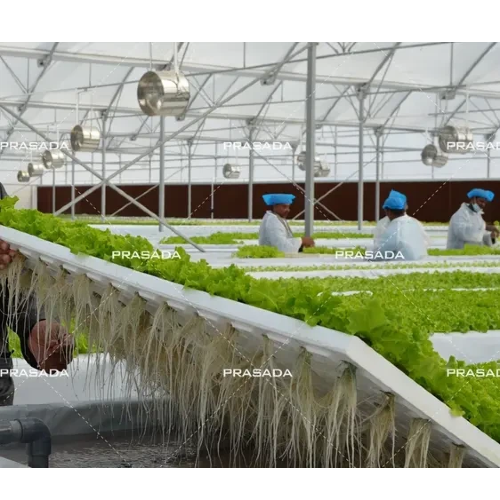
Benefits of Hydroponic Systems
Hydroponic systems offer numerous benefits, making them an attractive alternative to traditional soil-based farming.
1. Water Efficiency
Hydroponic systems use significantly less water than traditional farming. In soil-based farming, water is absorbed by the soil, but with hydroponics, water is recycled in a closed-loop system, reducing waste and improving efficiency. Hydroponic systems can use up to 90% less water compared to conventional farming methods, making them ideal for regions facing water scarcity.
2. Space Efficiency
Hydroponic systems are perfect for urban farming or areas with limited space. By growing plants vertically or indoors, these systems maximize space usage. This makes them highly suitable for apartments, rooftops, and small farms in cities.
3. Faster Plant Growth and Higher Yields
Since plants have direct access to the nutrients and water they need, they grow much faster than plants grown in soil. Some hydroponically grown crops can grow 50% faster than those grown conventionally. Additionally, plants can be grown closer together, maximizing yield per square meter of space.
4. Fewer Pests and Diseases
Hydroponic systems are less susceptible to soil-borne pests and diseases, which are a common problem in traditional farming. This reduces the need for pesticides, making the process more environmentally friendly and healthier for consumers.
Challenges of Hydroponic Systems
While hydroponic systems offer numerous benefits, there are also challenges that need to be considered.
1. Initial Setup Costs
Hydroponic systems often require a larger initial investment compared to traditional farming. The equipment, lighting, and other necessary components can be costly. However, the long-term benefits and efficiency often justify the initial investment.
2. Technical Knowledge
Hydroponic farming requires a certain level of technical expertise, including knowledge of nutrient management, pH levels, and water quality. Growers must monitor and adjust the system regularly to maintain optimal plant growth.
3. System Maintenance
Regular maintenance is required to keep the system functioning properly. For example, pumps, filters, and nutrient solutions must be checked and replaced periodically to prevent system failure.
Common Crops Grown in Hydroponic Systems
Hydroponic systems can support a wide variety of crops. Here are some of the most common:
Crop | Ideal Hydroponic System | Benefits |
Lettuce | Deep Water Culture, NFT | Grows quickly, space-efficient |
Basil | Deep Water Culture, Wick System | Thrives in nutrient-rich water |
Tomatoes | Ebb and Flow, NFT | High yield, fast growth |
Cucumbers | Ebb and Flow, Deep Water Culture | High yield, compact growth |
Strawberries | Nutrient Film Technique, Aeroponics | Sweet fruits, space-efficient |
Herbs | Wick System, Deep Water Culture | Compact, easy to grow |
How to Set Up a Basic Hydroponic System
Setting up a basic hydroponic system is straightforward if you follow the right steps. Here’s a general overview of how to get started:
Materials and Equipment
Containers for the nutrient solution
Pumps to circulate water
Air pumps and air stones to oxygenate the water
Nutrient solutions and pH meter
Growing medium (e.g., clay pellets or rock wool)
Artificial lighting (for indoor systems)
Step-by-Step Process
Choose Your Hydroponic System: Decide on the type of system that fits your space and crops. DWC is a great choice for beginners, while NFT or Ebb and Flow is ideal for larger operations.
Prepare the Growing Medium: Place the growing medium in your containers or channels.
Mix the Nutrient Solution: Follow the manufacturer’s guidelines for mixing the nutrients in the water.
Set Up the Lighting: If growing indoors, set up grow lights above the plants to ensure they get enough light for photosynthesis.
Monitor and Adjust: Regularly check water pH, nutrient levels, and plant health to ensure optimal growth.
Troubleshooting Common Problems
Nutrient Imbalance: If plants show signs of nutrient deficiency (yellowing leaves, stunted growth), adjust the nutrient levels.
Root Rot: Ensure that the water is oxygenated properly. If root rot occurs, clean the system and replace the nutrient solution.
pH Fluctuations: Regularly monitor and adjust the pH to keep it within the optimal range for your crops.
Conclusion
ydroponic systems are transforming the future of food production, providing a sustainable, efficient, and space-saving solution for modern agriculture. By exploring the various types of hydroponic systems, their benefits, and challenges, growers can make informed decisions to set up thriving hydroponic farms. Whether you're cultivating leafy greens in a compact space or aiming for high-yield tomatoes in a commercial setup, hydroponics offers significant potential for boosting productivity and sustainability in farming.
At Prasada Agricultural, we specialize in designing and providing high-quality hydroponic solutions tailored to your specific needs. With our expertise, you can optimize your growing environment, whether for urban agriculture or large-scale production. We invite you to contact us for customized solutions and expert guidance in setting up your hydroponic farm. Explore how our innovative systems can help you grow healthier crops faster and more sustainably.
FAQ
What is the difference between hydroponics and traditional farming?
Hydroponics uses nutrient-rich water instead of soil, offering more efficient use of water and space, and faster plant growth compared to traditional farming.
Can hydroponic systems be set up at home?
Yes, small-scale hydroponic systems can be set up indoors or on balconies for personal use. There are many beginner-friendly kits available.
How much water does a hydroponic system use?
Hydroponic systems use less water than soil-based farming because the water is recirculated, reducing waste.
What types of plants can be grown hydroponically?
Leafy greens, herbs, and fruits like tomatoes and strawberries thrive in hydroponic systems.
What are the main challenges of hydroponic farming?
The main challenges include initial setup costs, the need for technical knowledge, and regular system maintenance.


